Understanding kdk batavia Draw Schedule
A draw on kdk batavia is a timed event where you select numbers or outcomes, the platform holds your entry until the cutoff, and then a randomised result is drawn. Unlike football betting where odds shift in real time, draws operate on a fixed schedule. You cannot place a draw entry five minutes before the draw time—each draw has a cutoff, typically subject to verification before the result is drawn.
This schedule structure ensures fairness. All entries for a given draw close at the same moment, and the draw itself happens under standardised conditions. Results are published immediately after the draw completes, and your account balance updates to reflect wins or losses within seconds.
Daily, hourly, and weekly draw types
kdk batavia operates draws at three main frequencies. Hourly draws run every hour on the hour—suitable if you want frequent opportunities throughout the day. Daily draws occur once per day, often in the evening, making them a focal point for many players. Weekly draws are flagship events—larger prize pools, higher visibility—typically held once per week on a fixed day and time.
You can enter the same draw multiple times if you wish, though each entry is a separate bet. For example, the 2 PM hourly draw closes at 1:55 PM; if you miss it, you wait for the 3 PM draw at 2:55 PM. Weekly draws are more demanding to predict but often carry larger returns. Daily draws offer a middle ground of frequency and prize scale.

Each draw operates independently. Your win in the 2 PM draw does not affect the 3 PM draw. Entering multiple draws is optional—you control how many entries you make.
Finding the draw schedule on kdk batavia
On our platform, the Draw Schedule section is accessible from the main menu. The schedule displays all upcoming draws in your local time zone (automatically detected based on your device settings or your account location). Each draw entry shows the draw name, type (hourly / daily / weekly), draw time, and current status (upcoming / cutoff soon / results posted).
Colour coding helps you scan quickly: green for upcoming draws, amber for "closing soon", and grey for completed draws. You can filter by draw type (show only hourly, or only weekly) and sort by time to plan your session. A countdown timer shows how much time remains until the next cutoff.
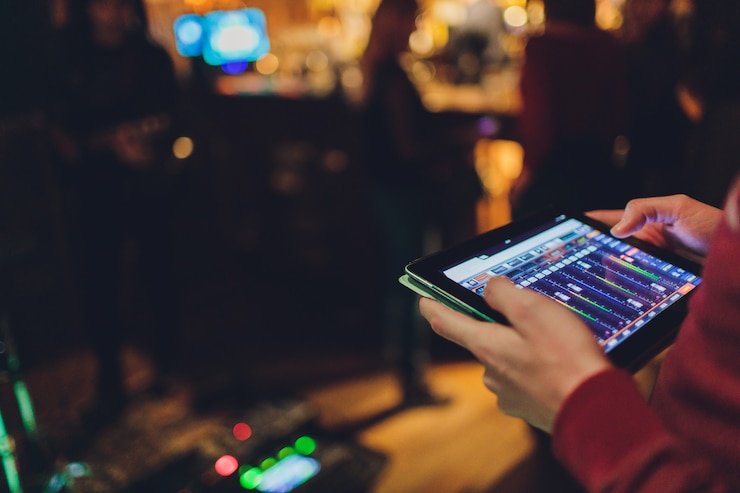
Notification settings let you opt in to alerts. Enable push notifications (if you use our Android app) or email/SMS alerts (available to all users), and we remind you of draws you care about. For example, you might set alerts for weekly draws only, or for all draws in Jakarta's local timezone. You control which notifications you receive and the time before the draw when the alert triggers.
The schedule also lists holiday adjustments. During Idul Fitri, Idul Adha, Imlek, and Nyepi, draw times may shift or pause. We post these changes at least two weeks in advance so you can adjust your plans.
Deposit and entry mechanics
To participate in a kdk batavia draw, your account balance must be funded. You deposit via ShopeePay, e-wallet, mobile banking, local payment, online payment, e-wallet, or your bank (mobile banking, local payment, online payment, e-wallet virtual accounts). Deposits via e-wallet settle in seconds; bank transfers typically within one business cycle. Once your balance appears in your account, navigate to an upcoming draw and select your numbers or outcome.
Each draw displays the entry cost (bet amount) and potential return (payout multiplier). You choose your entry value—this deducts from your balance immediately upon submission. If multiple draws are running simultaneously, you can enter several without conflict; each draw processes independently.
The entry slip shows your selections, entry cost, and payout if you win. Review carefully before confirming. Once confirmed, your entry is locked and cannot be changed. If you entered the wrong numbers, contact our support team via in-app chat or email—they may cancel the entry if the draw has not yet closed, refunding your balance.
Draw results and balance settlement
Results publish within minutes of the draw closing. On kdk batavia, you see the winning numbers or outcome displayed prominently on the draw result page. Your account balance updates automatically: if your entry matched, your payout adds to your balance; if not, the entry amount was already deducted and the result closes.
Historical results are archived and searchable by date, draw type, or result number. You can review any past draw you entered to verify the outcome. Detailed reports export to your account for personal record-keeping or tax purposes.
Results are final once published. Disputes must be raised within 24 hours through our support team. We retain draw logs and randomness certifications for verification.
Withdrawal after draw winnings
Winnings from draws settle to your kdk batavia account balance immediately. You then withdraw by navigating to the Withdrawal section, selecting your payment method (mobile banking, local payment, online payment, e-wallet, mobile banking, or bank account), and confirming the amount. Like deposits, withdrawals return to your original payment method. If you entered via local payment, your winnings return to online payment; if via e-wallet virtual account, to mobile banking.
Large withdrawals may be held for manual review to prevent fraud. The review typically completes within a few hours. You receive email or SMS notification when your withdrawal is approved and again when the funds leave our payment gateway. Bank withdrawals settle within one business day; e-wallet withdrawals often within minutes.
- Entry cutoff
- You must submit your entry before the cutoff time. After cutoff, the draw closes and no new entries are accepted.
- Result publication
- Results are published within minutes of the draw. Your account balance updates automatically based on your entry outcome.
- Withdrawal processing
- Withdrawals are subject to fraud review. E-wallet withdrawals typically settle in minutes; bank transfers within one business day.
Payment flexibility and regional access
We accept six primary e-wallets—local payment, online payment, e-wallet, mobile banking, local payment, and online payment—ensuring coverage across Indonesia's major urban centres and regions. Jakarta, Surabaya, Bandung, Medan, Semarang, and Yogyakarta all have robust e-wallet penetration. For users in smaller towns or those preferring bank transfer, e-wallet, mobile banking, local payment, and online payment virtual accounts offer an alternative that bypasses app dependency.
e-wallet scan-and-pay is increasingly convenient during peak shopping periods—Idul Fitri, Idul Adha, Imlek, and Nyepi—when foot traffic and merchant codes proliferate. You can fund your kdk batavia account using a mobile banking code displayed on your phone, without downloading any additional app.
Our payment gateway does not charge hidden fees. The rate you see during deposit or withdrawal is the rate you pay. No margin markup, no processing charges beyond what your bank or e-wallet provider deducts for their own transfer services.
Account security and draw fairness
All draw outcomes use certified randomisation algorithms. We do not manipulate results or favour certain entries. Independent auditors verify our draw machinery quarterly, and results are logged with cryptographic timestamps so tampering is detectable.
Your account security during draw play relies on two-factor authentication and encrypted sessions. Enable 2FA during setup—we send an OTP code to your registered phone each time you log in or submit a large withdrawal. Your banking details are encrypted and never exposed to the draw system; only our payment gateway handles bank or e-wallet credentials.
If you forget your password, use the Reset Password link on the login page. We send a reset email with a time-limited link. Change your password to something unique and strong. Do not share OTP codes or banking details with anyone, even if they claim to represent kdk batavia—our official team communicates only through in-app support, email from our domain, or phone via verified numbers.